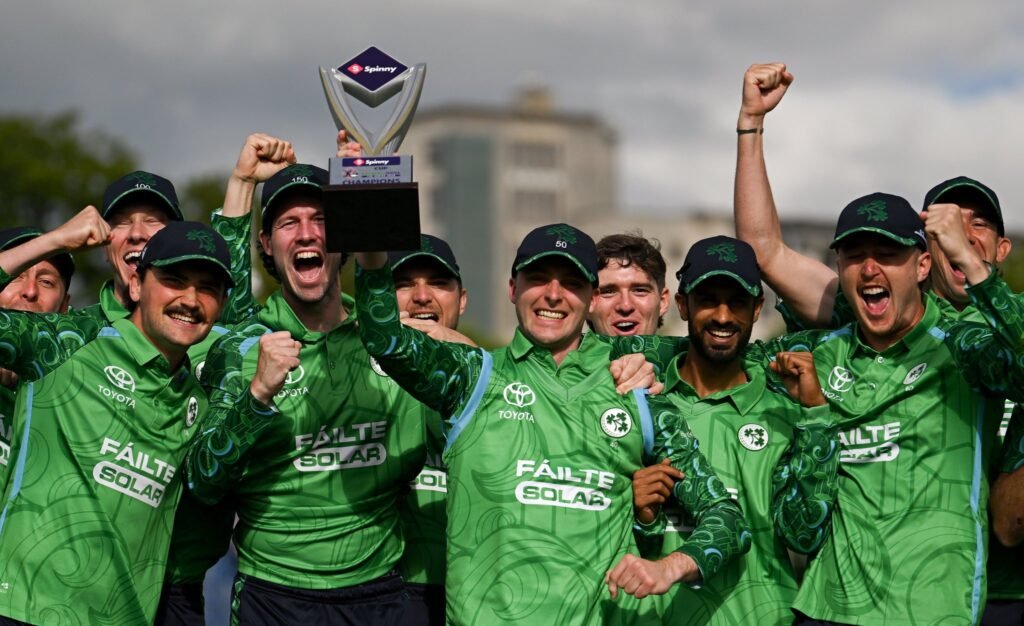
The Board of Control for Cricket in India (BCCI) is initiating a formal performance review of the men’s T20I team after a heavy 125-run defeat to England at Trent Bridge sealed a series loss, coming on the heels of a historic series defeat against Ireland.
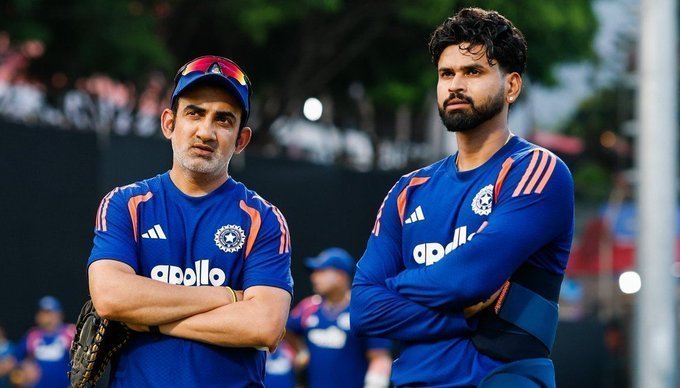
Leadership in Indian cricket is rarely a quiet affair; it is a public trial by fire where every tactical misstep is magnified and every defeat dissected. For Shreyas Iyer, the burden of the captaincy has suddenly transformed from a prestigious honour into an existential crisis, as his side’s capitulation at Trent Bridge exposed structural vulnerabilities in India’s shortest-format blueprint.
The impending post-mortem will not merely look at the scoreboard, but at a squad seemingly shorn of its identity, struggling to assert itself while rival nations evolve. With the humiliation of a historic series defeat to Ireland still fresh in the memory, this latest surrender in Nottingham has forced the game’s most powerful governing body to demand immediate answers.
Nottingham, England: The clinical nature of England’s victory was established not in the death overs, but in a ruthless opening salvo that left the Indian top order entirely exposed. Chasing a formidable target, India’s response was strangled at birth as they lost five wickets within the first five overs of their innings.
It was a display of batting fragility that offered a sobering reality check for a transitioning side. The English seamers extracted crucial bounce and movement, leaving India’s specialist batsmen searching for answers they simply did not possess.
Five Overs of Fury — The Nottingham Night of Horror
The collapse began with Abhishek, whose early departure set a nervous tone that quickly permeated the rest of the dugout. From there, England’s bowling attack, spearheaded by a menacing Jofra Archer, tore through the heart of the Indian batting line-up with devastating precision.
Archer was particularly venomous, dismantling the top and middle order by claiming the prized wickets of the youthful Vaibhav Sooryavanshi, the captain Shreyas Iyer, and the all-rounder Axar Patel. When Josh Tongue struck to dismiss Abhishek, India were already sliding toward an inevitable and chastening defeat.
There was no respite to be found in the middle overs against the spin of Will Jacks. Tilak Varma attempted to break the shackles but was cleverly deceived, culminating in a sharp stumping by wicketkeeper Jos Buttler off Jacks’ bowling.
A Captain in the Eye of the Storm
At the centre of this sporting tempest stands Iyer, whose tenure as leader has devolved into an statistical nightmare. Under his stewardship, India has now lost nine of his last 10 completed T20I matches as captain, a record that has triggered intense scrutiny from both commentators and selectors alike.
The failure to arrest this slide, coupled with the historic series loss to Ireland, has prompted the BCCI to initiate an immediate review of the team’s T20I trajectory. Tactically and structurally, India look like a team out of sync with the modern pace of international T20 cricket.
As the squad prepares for the fallout of the Trent Bridge disaster, the immediate future looks incredibly uncertain. The upcoming BCCI review will not just examine individual performances, but will question whether the current leadership has the tactical acumen to rebuild a shattered team ahead of their next international assignment.